
Skanderbeg Square (Pristina)
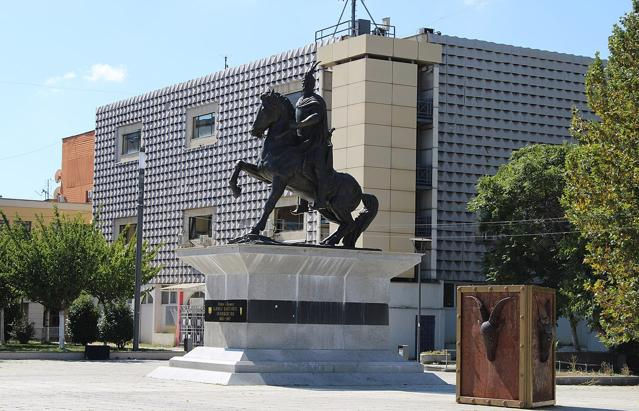
The historic civic heart of Prishtina is centered on the magnificent equestrian statue of the national hero, Gjergj Kastrioti Skanderbeu.

Admission: Free public access
Nearby: Bordered by the Kosovo Assembly (Kuvendi) and Government buildings.
Events: Primary square for national celebrations and rallies.
Directions: Central section of the main pedestrian zone, connecting Mother Teresa and Ibrahim Rugova Squares.
Photography: Encouraged; best angles from the southern approach or elevated viewpoints
Alternate Names: Sheshi Skënderbeu, Skanderbeg Monument Pristina
Getting There: Centrally located near the Government Building, Mother Teresa Boulevard, and the Palace of Youth and Sports. Easily walkable from most downtown landmarks.
Open Hours: Always accessible; most vibrant during holidays and public events.
Terrain: Flat, smoothly paved pedestrian zone.
Wheelchair: Fully accessible.
Location: Prishtina City Center.
📅 Last update
Apr 8, 2026
The Story
Skanderbeg Square was established in 2001, shortly after the end of the Kosovo War, as a symbolic gesture of national pride and cultural continuity. The centerpiece of the square is a bronze equestrian statue of Gjergj Kastrioti Skanderbeg, Albania’s most revered historical figure, known for his resistance against Ottoman forces in the 15th century.
The statue was transported from Krujë, Albania, over a four-day journey and installed in Pristina’s city center. It shares stylistic similarities with Skanderbeg monuments in Tirana, Skopje, and other Albanian-majority regions, featuring the hero in full armor atop a rearing horse.
Surrounding the statue is a paved plaza often used for public speeches, protests, concerts, and commemorative events. The square’s location near government institutions reinforces its role as a space for civic expression and national symbolism.
Skanderbeg Square remains a popular gathering spot for locals and a must-see destination for visitors seeking to understand the country’s cultural pulse.

.jpg)
.jpg)

_JPG.jpg)
%20(1).jpg)

.jpg)
