
Ethnographic Museum
Ethnological Museum (Emin Gjiku)
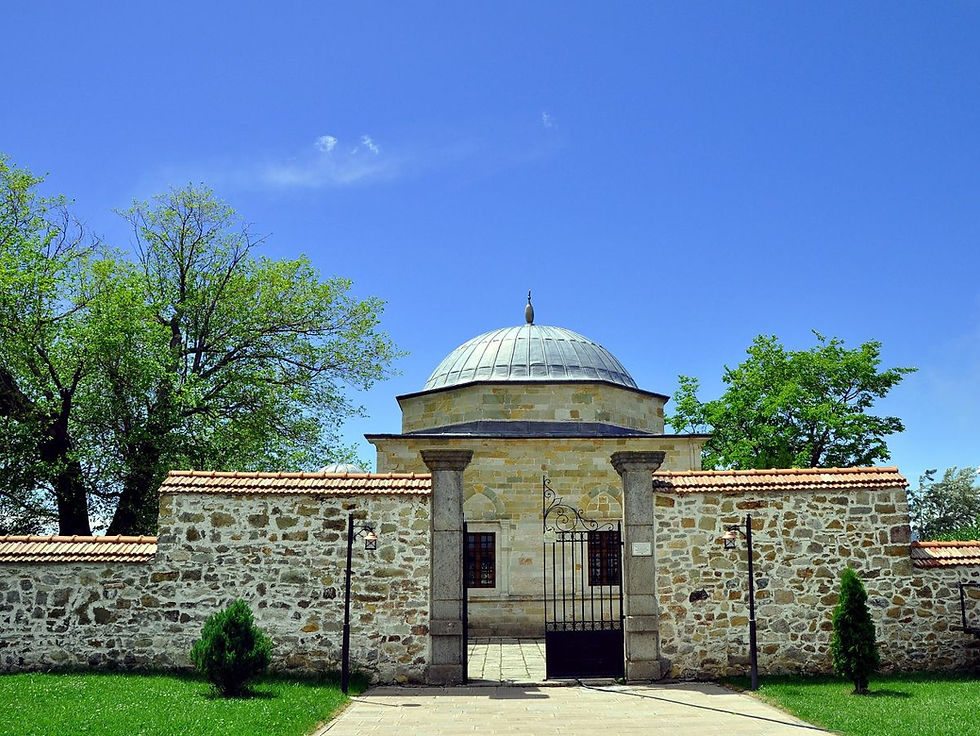
The Ethnological Museum in the Emin Gjiku Complex is Pristina’s cultural time capsule where Ottoman-era architecture shelters centuries of Albanian tradition, domestic ritual, and everyday resilience.
%20(1).jpg)
🕒 Open Hours: Tuesday-Saturday 10:00-17:00; Sunday closes at 15:00. Closed Mondays and national holidays.
♿ Accessibility: Terrain cobbles. Wheelchair access is partial (garden, yes; houses, no).
📍 Getting There: Located near the Imperial Mosque and Kosovo National Museum in central Pristina. Easily walkable from Skanderbeg Square. Public buses stop nearby in the old city area, after which a short walk is required.
The Story
📅
May 31, 2026
The Emin Gjiku Complex is one of Pristina’s best-preserved examples of Ottoman residential architecture. Built in the 18th century, the compound originally served as a family residence for Emin Gjikolli, whose name derived from the Turkish “Eminçik,” meaning “little Emin” - now defines the complex.
Until 1990, the site functioned as a Museum of Nature. In 2006, it was repurposed as the Ethnological Museum, part of the broader Museum of Kosovo network. The museum’s permanent exhibition spans four thematic sections: birth, life, death, and spiritual heritage. Each room is curated with authentic artifacts - embroidered garments, cooking tools, musical instruments, and ceremonial items - that reflect the rhythms of Albanian family life.
The museum’s layout preserves the original architectural features of the homes, including carved wooden ceilings, stone arches, and enclosed courtyards. Interpretive signage and multilingual guides help visitors understand the cultural significance of each item and ritual.
Beyond its exhibits, the museum hosts cultural events, workshops, and educational programs aimed at preserving intangible heritage. It’s a popular destination for school groups, researchers, and international visitors interested in Balkan ethnography.
The Emin Gjiku Complex stands not only as a museum but as a living archive - where Kosovo’s domestic traditions are honored, studied, and shared across generations.



.jpg)

Explore Kosovo by Interest
Not sure where to start? Pick a category that fits your mood – from ancient castles to wild mountains, and peaceful sacred sites to city squares. Every corner of Kosovo has a story waiting for you.